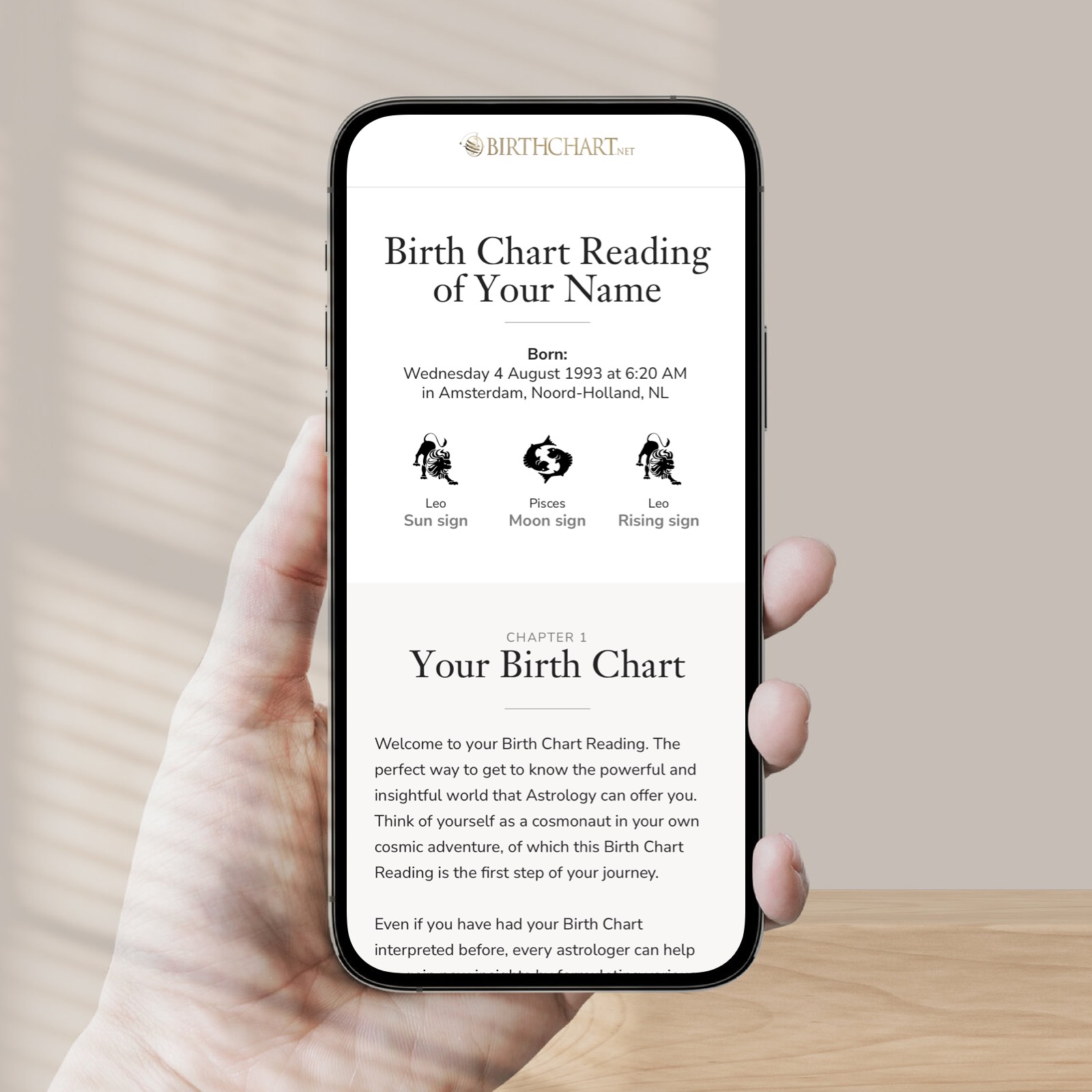


Astrology Compatibility Beyond Sun Signs
You’ve probably done it. Maybe late at night, maybe after a first date that left you buzzing, maybe in the middle of a relationship that suddenly felt harder than it should. You typed two zodiac signs into a search bar and waited for the internet to tell you whether this person was right for you.
And you got an answer. A tidy paragraph. Compatible, or not. Maybe a percentage score.
It felt like something. But it wasn’t much.
Your sun sign is just one voice in a much larger conversation.
The question everyone asks wrong
“Are Leos and Scorpios compatible?” is one of the most searched astrology questions online. Swap in any two signs and the pattern holds. People want a quick read on whether their connection has cosmic backing. It makes sense. When something matters to you, you look for reassurance wherever you can find it.
But here’s the thing. That question compares one placement out of dozens. Your sun sign is just where the Sun was when you were born. It says something real about you, yes. But when it comes to how you connect with another person, the Sun is only one voice in a much larger conversation.
Two people with the same sun sign can love in completely different ways. They can need different things, argue about different things, feel safe in different conditions. The reason is that their full charts are different. And astrology compatibility is really about the full chart.
Where compatibility actually lives
When astrologers assess compatibility between two people, they don’t just compare sun signs. They use a technique called synastry, which layers one person’s chart on top of the other’s and examines how the planets interact across both charts. They also look at something called a composite chart, which blends both charts into a single map of the relationship itself.
These methods go deep. But even before getting into the territory between two charts, there’s a more fundamental question that most people skip entirely.
Do you know your own chart?
Because you can’t understand how your planets interact with someone else’s until you understand what your planets are doing in the first place.
The emotional layer
Your Moon sign governs your emotional core. It shapes what you need to feel safe, how you process difficult feelings, and what kind of comfort actually reaches you. In relationships, the Moon is where things get raw. It’s the part of you that surfaces during conflict, during vulnerability, during the moments when performance drops away and you’re just you.
When two people’s Moon signs interact well, there’s an intuitive emotional understanding between them. When they clash, even a couple who seems perfect on the surface can struggle to meet each other’s deepest needs.
Most compatibility checks ignore this entirely.
Curious what your Moon sign is? Use our free calculator to find out.
The love language of the chart
Then there’s Venus. In your birth chart, Venus represents how you give and receive love. It colors your romantic style, your aesthetic preferences, what draws you toward someone in the first place. Venus is attraction, affection, and the particular flavor of closeness you crave.
Two people might both be Virgos by sun sign. But if one has Venus in a fire sign and the other has Venus in a water sign, their approaches to love could feel like different languages. One might show affection through bold gestures and playful energy. The other might express it through quiet presence and emotional depth. Neither is wrong. But if you don’t know these placements exist, you can end up feeling unloved by someone who’s loving you in the only way they know how.
Venus is one of the most important factors in romantic compatibility. And it’s one of the most overlooked.
The planet of drive and desire
Mars plays its own role. Where Venus is about attraction and harmony, Mars is about drive, desire, and how you assert yourself. It influences what excites you, how you pursue what you want, and how you handle friction. In intimate relationships, Mars shapes the dynamic of desire and the way conflict unfolds.
Two people with Mars placements that challenge each other might feel an intense spark but also a persistent tension. Two people whose Mars placements flow together might share an easy rhythm when it comes to action and decision-making. These dynamics run beneath the surface of daily life, shaping the texture of a relationship in ways that sun sign comparisons will never capture.
The rising sign and first impressions
Your rising sign is worth considering here too. It’s the sign that was on the eastern horizon at the moment of your birth, and it shapes how you present yourself to the world. In the early stages of getting to know someone, you’re often encountering their rising sign before anything else. The energy they carry into a room, the way conversation feels with them, the impression they leave before you’ve seen their deeper layers.
Sometimes what draws two people together initially is the interaction between their rising signs. And sometimes the shift from early attraction to deeper connection involves discovering what lies beneath that first impression. Knowing your own rising sign helps you understand what you’re projecting and what others are responding to when they first meet you.
Houses: the areas of life that light up
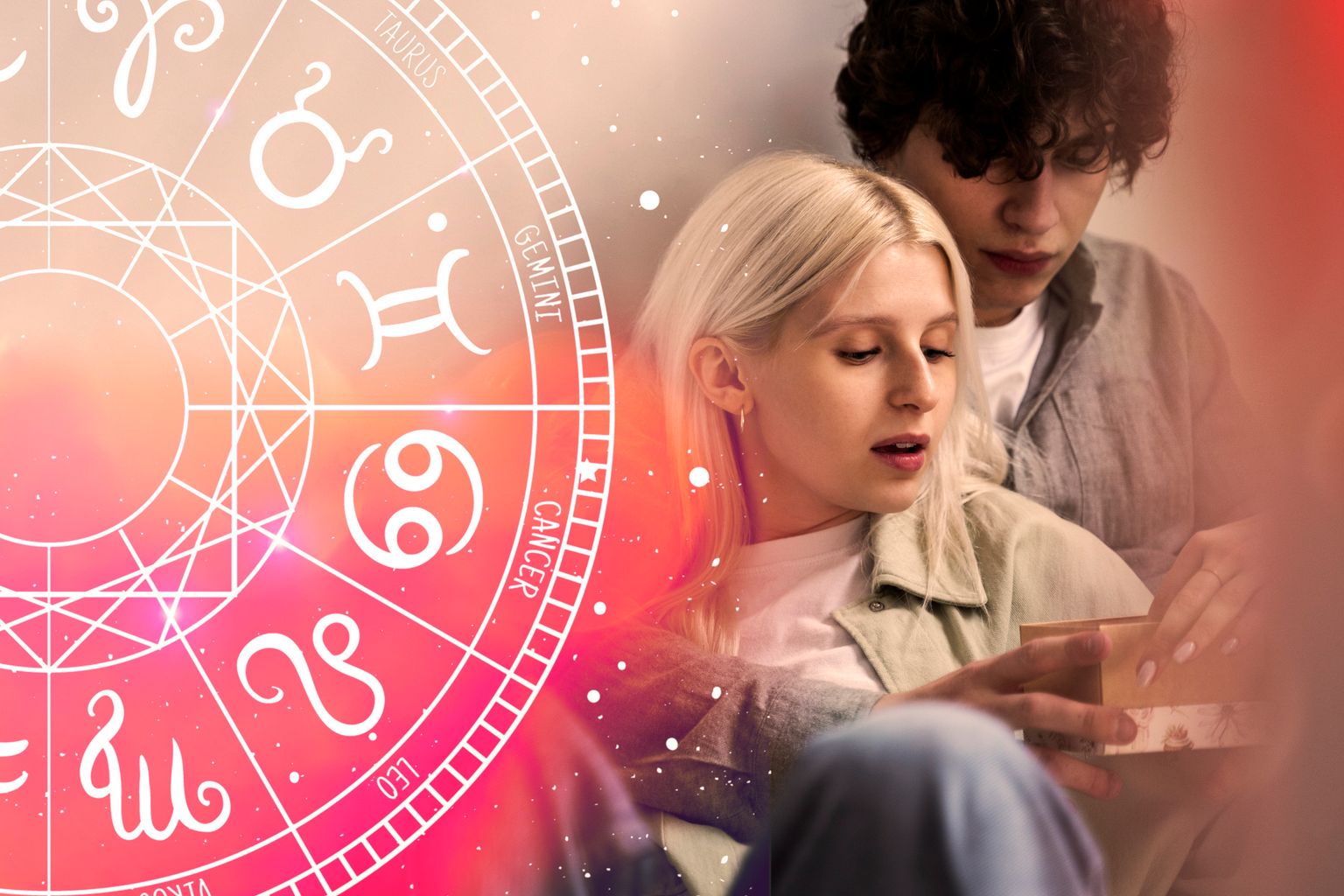
Beyond the planets and signs, there are the houses. Your birth chart is divided into twelve houses, each connected to a different area of life. Career, home, identity, creativity, communication, intimacy. When someone else’s planets fall into certain houses of your chart, they activate those areas. A person whose Venus lands in the part of your chart connected to home and family might feel like they belong in your private world. Someone whose Mars activates your career sector might push you toward ambition in ways you didn’t expect.
This is the kind of detail that makes astrology compatibility rich and specific. It’s also why a simple “your sign plus their sign” comparison barely scratches the surface.
Aspects: the geometry of connection
There’s one more layer worth knowing about. Aspects are the geometric angles that planets form with each other. When your Venus forms a trine to someone else’s Moon, that connection carries a different quality than if it forms a square. Trines tend to flow. Squares tend to create friction. Conjunctions intensify. Oppositions create a magnetic pull with built-in tension.
In synastry, astrologers examine dozens of these aspects between two charts. The overall pattern they form tells a story about the relationship’s strengths, its challenges, and its potential for growth. Some of the most enduring relationships have challenging aspects between them. Tension isn’t always a bad sign. It can be the thing that keeps a connection evolving.
But none of this means anything in the abstract. It only becomes real when you know the specific placements involved. And that starts with knowing your own chart.
The missing first step
Here’s what often happens. Someone discovers astrology compatibility, gets excited about synastry and composite charts, and starts trying to decode their relationship. But they skip the foundation. They don’t fully know their own chart. They might know their sun sign and maybe their Moon sign, but the rest is a blur.
Understanding compatibility starts with understanding yourself. What does your Venus sign say about how you love? What does your Mars sign reveal about how you pursue and protect what matters to you? What house themes dominate your chart? What patterns run through your placements?
Every meaningful compatibility reading starts with questions like these.
Curious about your Venus sign? Find it with our free calculator and start building the picture.
Why the full picture matters
Real astrology compatibility goes far beyond a yes-or-no answer. A layered, nuanced portrait of how two charts interact, it accounts for emotional needs, love languages, drive, communication styles, and the areas of life where two people activate each other.
But it all rests on a foundation of self-knowledge. You need to understand your own chart before you can understand what happens when your chart meets someone else’s. The placements, the houses, the patterns. They’re yours. And they shape every relationship you’ll ever have.
Not just the romantic ones either. The way your chart interacts with a friend’s chart, a parent’s chart, a colleague’s chart. These dynamics are always running, always influencing the texture of your connections.
Before you compare two charts, you need to read your own.
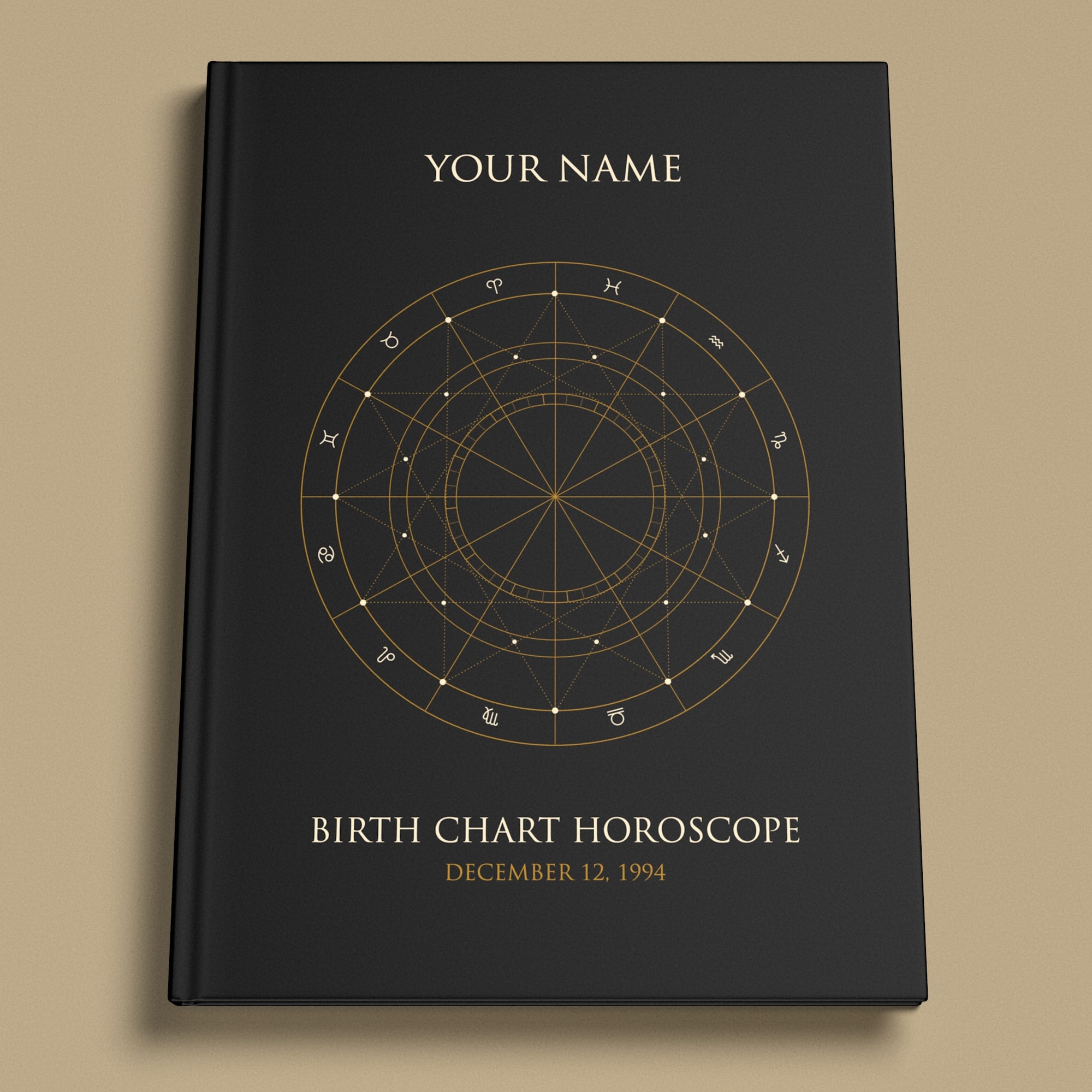
Your birth chart holds the full picture. Every planet, every house, every aspect, interpreted for your exact time and place of birth.




 Sun
Sun  Moon
Moon  Mercury
  Venus
Venus  Mars
Mars  Jupiter
  Saturn
  Uranus
  Neptune
  Pluto
Pluto  Ascendant