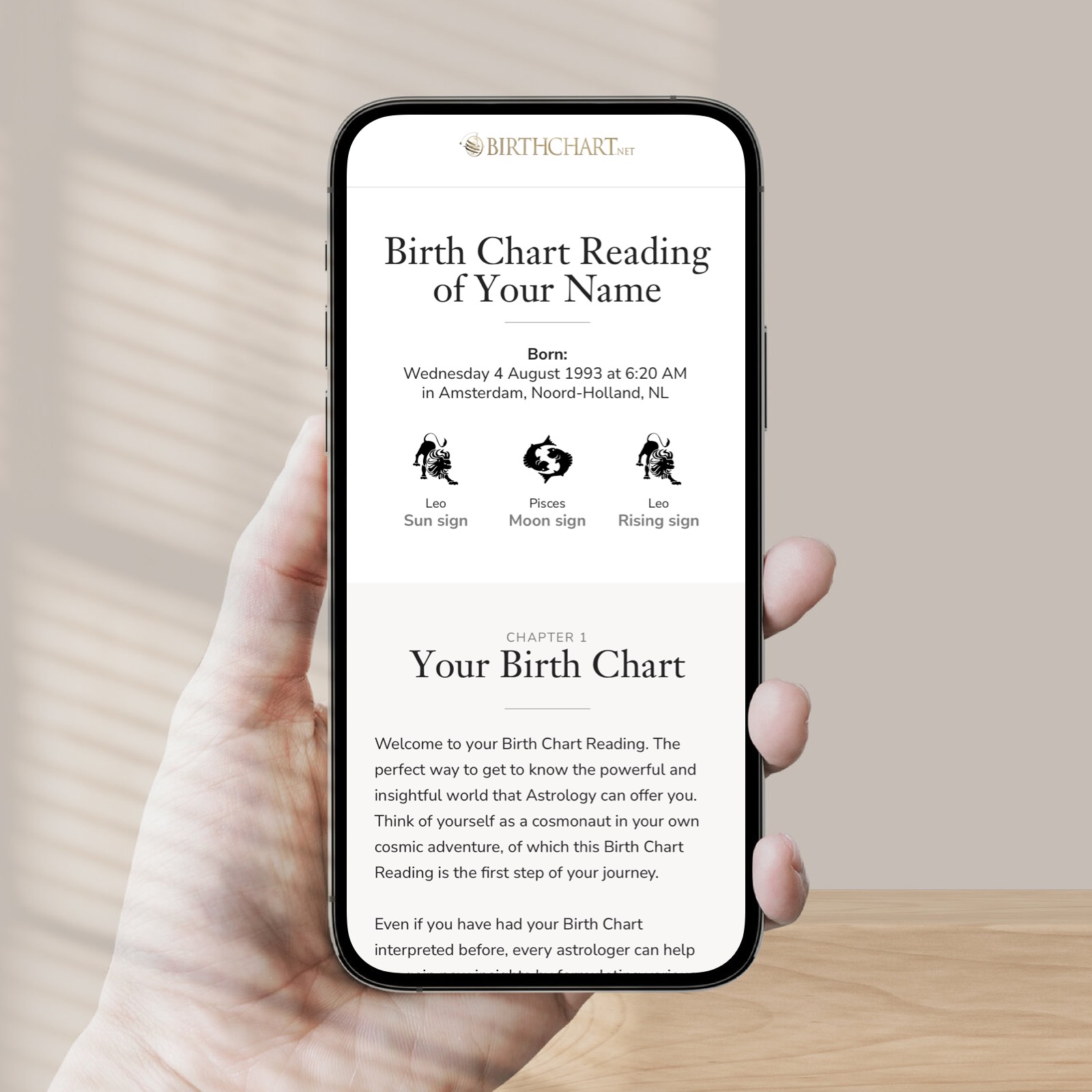


What Your Birth Time Actually Changes
You probably know the day you were born. You might know the month down to the minute your mom reminds you about every year. But do you know your exact birth time? The hour, the minute, the side of noon?
If you don’t, you’re in good company. A lot of people have no idea. And most assume it doesn’t really matter, because a birthday is a birthday. The truth is, when it comes to your birth chart, those extra minutes are doing quite a lot of heavy lifting.
Let me walk you through what actually changes.
The sky moves faster than you think
The sky is always turning. That’s not poetic, that’s physics. From the perspective of a spot on Earth, the zodiac wheel rotates a full circle every twenty-four hours. Which works out to about one degree of the sky shifting overhead every four minutes.
Four minutes is less than the time it takes to brew a coffee. And in those four minutes, the chart of a baby being born shifts measurably. The sign rising on the horizon creeps forward. The invisible lines that divide the chart into houses slide along with it.
In astrology, four minutes is a long time.
What needs birth time and what doesn’t
Here’s the quick version of what’s affected and what isn’t.
Doesn’t need a birth time (birthday is enough):
- Your sun sign
- The zodiac sign of most of your planets (they move slowly enough that the date alone tells you)
Needs at least a rough birth time (the hour and roughly which half of it):
- Your moon sign, which can change once or twice within a given day
- Whether your Mercury, Venus, or Mars sign shifts on your birthday (it happens)
Needs a precise birth time (within fifteen minutes is ideal):
- Your rising sign, also called the ascendant
- All twelve houses in your chart
- Where each of your planets lands by house
So when people say “I just use my sun sign, birth time doesn’t really matter,” they’re technically right for one placement and wrong for most of the rest of the map.
The rising sign is the first big change
The rising sign is the sign on the eastern horizon at the moment you were born, and it shifts every two hours or so. Which means two babies born on the same calendar date, in the same hospital, two hours apart, will have different rising signs.
Same sun. Same moon, probably. Very different ascendant.
If you’re curious which rising sign lines up with your birth time, you can check yours in a minute. It’s a surprisingly simple calculation once you have the time and the place.
The houses are the bigger deal
The rising sign gets most of the attention, but the quieter impact of your birth time is on the twelve houses of your chart. The houses are the areas of life that each planet gets to influence. Career, relationships, money, home, creativity, and so on.
Which planet ends up in which house depends directly on where the horizon was pointing when you took your first breath. Change the time by even thirty minutes and planets can slide from one house into the next.
Which means a Venus that was “about your home life” in one version of a chart could become a Venus that’s “about your public image” in a chart calculated half an hour later. Same Venus. Different story.
This is why astrologers get nervous about approximate birth times, and why some will ask for a baby book, a birth certificate, or even a parent’s phone call to nail it down.
What if you don’t know your birth time
This is honestly the most asked question after “what’s my sign”. Plenty of people have no record of their birth time, or only a vague “sometime in the morning” from a parent. Here’s the friendly-guide breakdown.
- Ask the people who were there. Parents, older siblings, anyone with a memory. “Before lunch” is better than nothing.
- Look for paperwork. Some birth certificates list the time. So do many hospital records, baby books, and old telegrams if you’re of that era.
- Try a rectification. Some astrologers can work backward from major life events to estimate a birth time. It’s not magic, more like detective work.
- Use noon as a placeholder. A noon chart will give you accurate planet signs but unreliable houses and ascendant. Better than nothing, not ideal.
The good news is that the planet signs in your chart (what sign your moon, Venus, Mars, and so on are in) are usually knowable from just the date. The missing detail is mostly about houses and the rising sign.
Why this matters for a real reading
Here’s the thing. A chart calculated with a guess is still a chart. But it’s a chart that’s potentially misreading the stage your planets are standing on.
A birth chart without a birth time is a play with no sets.
You still know who the characters are. You just don’t know the rooms they’re acting in. Which is why, if you can track down your birth time, it’s worth the ten-minute phone call to a parent or the trip to dig up an old document. That small detail unlocks a completely different level of specificity.
The full picture
Your birth chart is built from three inputs: the date, the time, and the place of your birth. Any two of those will get you somewhere. All three is what makes your chart yours, with no wiggle room, no averaging, no “close enough”.
If you’ve got your time, you’ve got the full portrait. Every planet, every house, every quiet connection between them. It’s the one combination that exists for exactly one person.




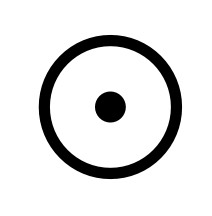 Sun
Sun 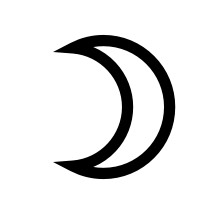 Moon
Moon  Mercury
  Venus
Venus  Mars
Mars 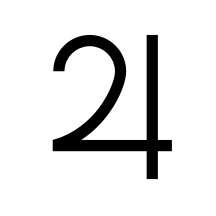 Jupiter
 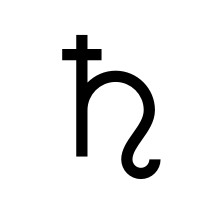 Saturn
 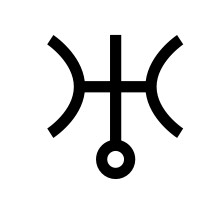 Uranus
 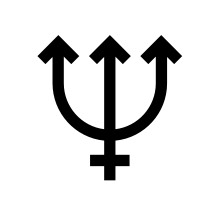 Neptune
  Pluto
Pluto  Ascendant